PolyDryer Box XL Setup: Which Parts Do You Need?
Choose the right PolyDryer Box XL setup for storage or drying. Compare box, adapter and Dry Dock requirements, spool limits, and buying scenarios.
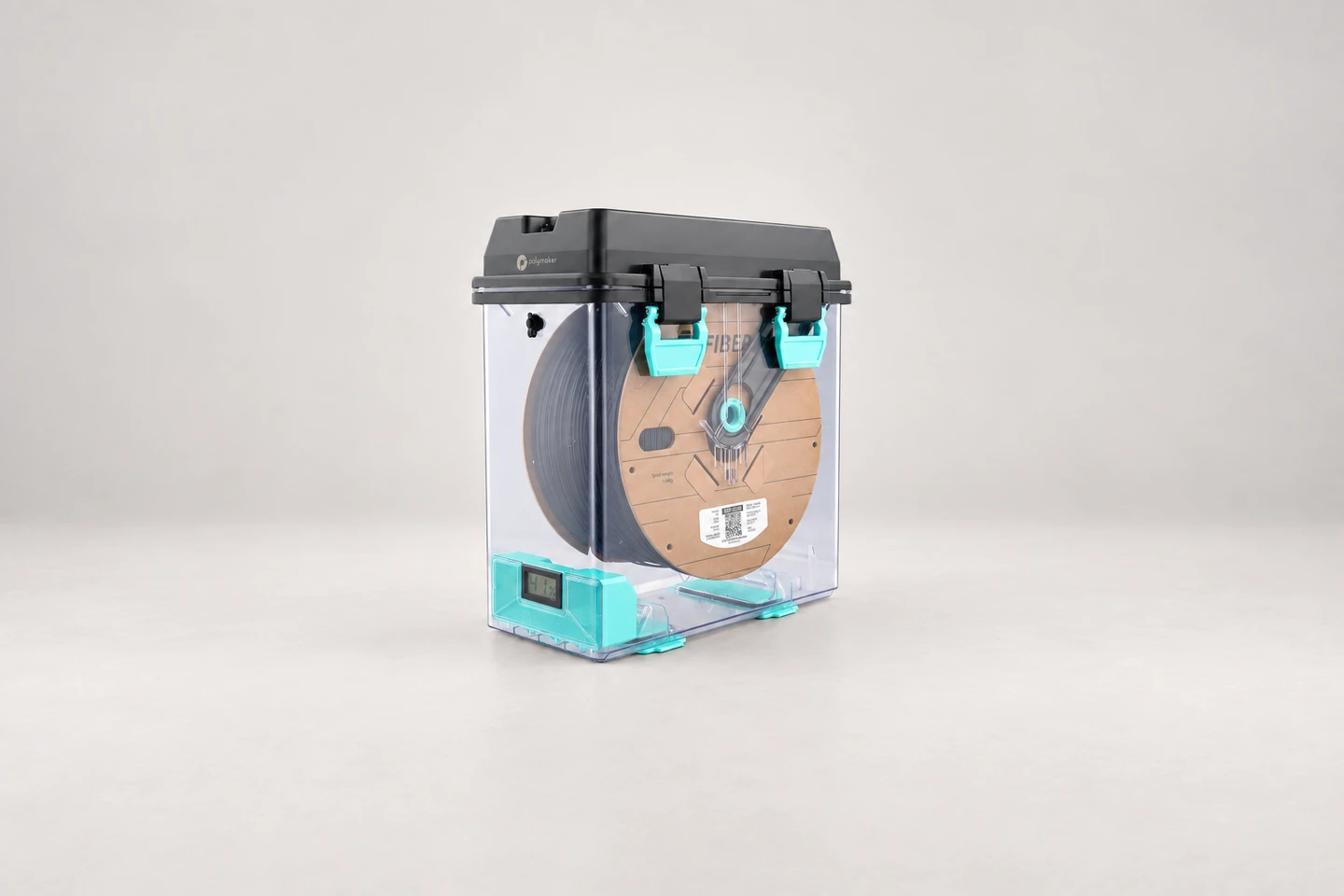
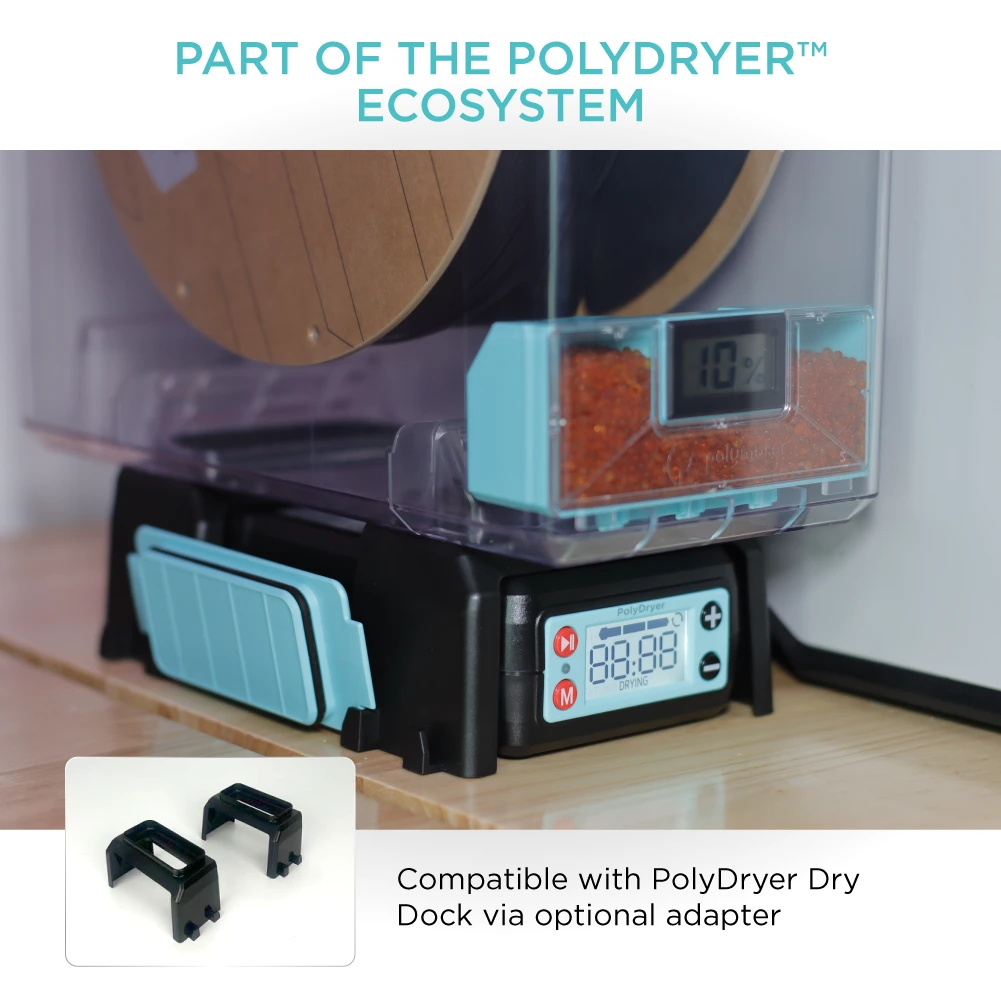
For sealed storage, start with the PolyDryer Box XL. To add active drying, you also need a compatible Dry Dock and the XL Dock Adapter. An existing dock may cover the powered part of that purchase; a storage-box listing does not.
That distinction matters when comparing a bundle with a cheaper box-only option. A useful order is the one that completes the job you have in mind, without buying a second copy of a part already on your bench.
Choose a starting point
You want somewhere to keep a prepared spool
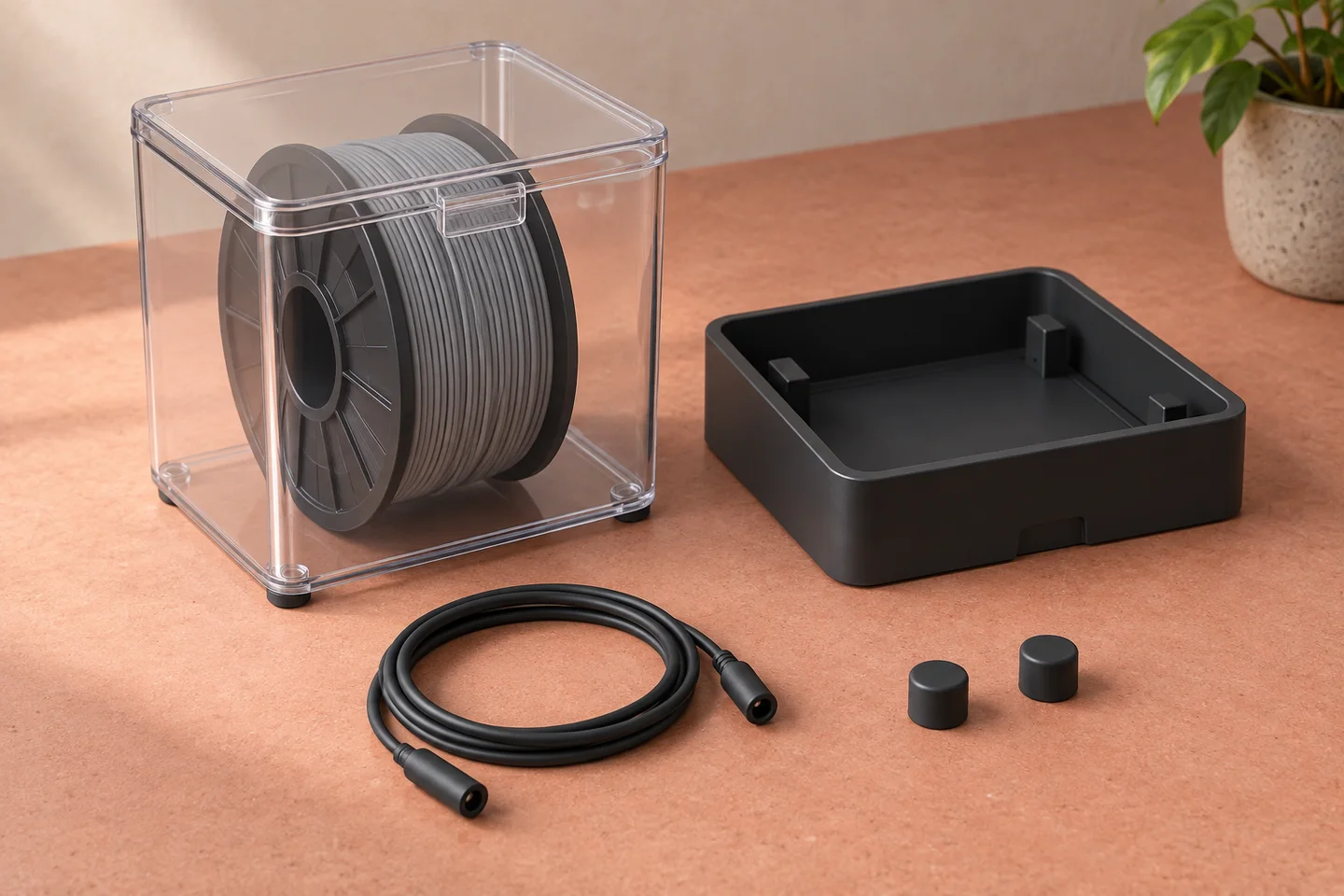
A box-only purchase suits the storage task. Leave the powered accessories out of the comparison unless you also intend to dry in the box. The official Box XL listing includes a hygrometer and desiccant with the storage box; it lists the dock adapter separately.
Think about the handoff from your current dryer. Where will the prepared roll go, can you close the container promptly, and will you remove it again for every print? Answering those questions first keeps a storage purchase focused. An already-damp spool still needs an appropriate drying process before storage; the difference between those two jobs is more useful than treating every box as a dryer.
A Dry Dock is already on your bench
Build the order around the missing XL components. Check the exact dock you own, its power supply and the selected adapter variant. A product photo showing a complete arrangement is not a reliable packing list.
Also decide when that dock will be available. For example, a standard box may occupy it while you want to prepare the large roll. A second storage box gives you another place to keep material, but does not create another powered drying position. One shared dock may be perfectly adequate when jobs are staggered.
You are starting with no PolyDryer equipment
Write down three component names before comparing baskets: Box XL, XL Dock Adapter and Dry Dock. Check the selected dock package for its specified supply and the correct regional plug. Retailer bundles can combine items differently, so compare the included parts rather than the bundle name.
Then ask whether the XL is solving your actual bottleneck. Someone who routinely needs several small rolls prepared together has a different requirement from someone protecting one large roll between long prints. More internal space does not automatically make the first arrangement better.
Check the roll before choosing the box
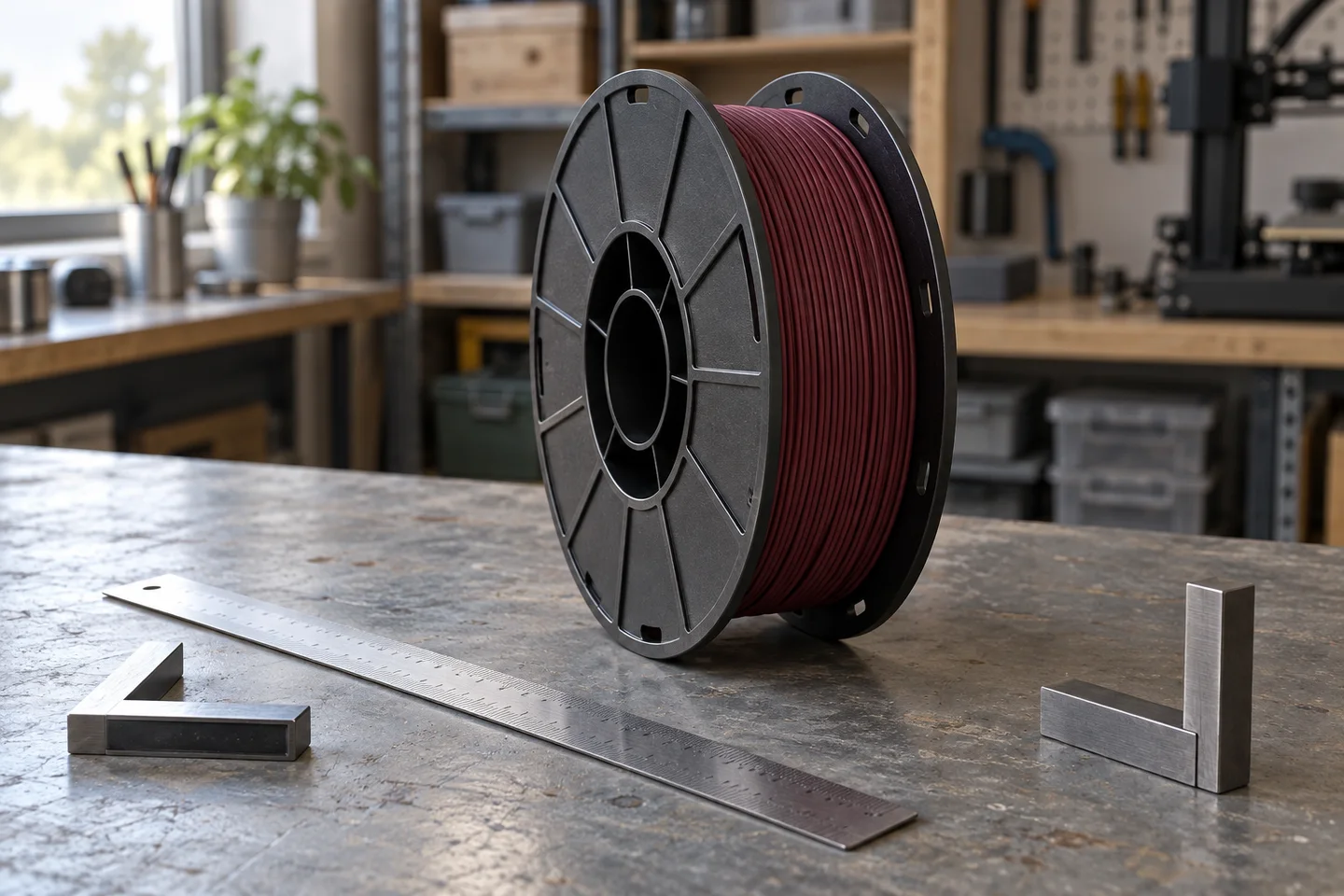
Polymaker publishes a maximum spool envelope of 300 mm outside diameter × 118 mm width. Compare both with the complete roll, including any protruding hub or fitted rim. The weight printed on the filament carton does not supply either measurement.
For a spool with an unusual shape, send the seller a front and side photo along with the numbers. A flange that clears the shell may still need a closer look at the support arrangement. Our diameter and overall-width measurement steps help you collect the information without confusing the filament winding with the reel itself.
Keep close-fit decisions tied to the exact spool. Changing filament suppliers can change reel geometry even when the material and nominal quantity stay the same. Reusing yesterday’s answer for a different reel is an easy way to buy a box that almost works.
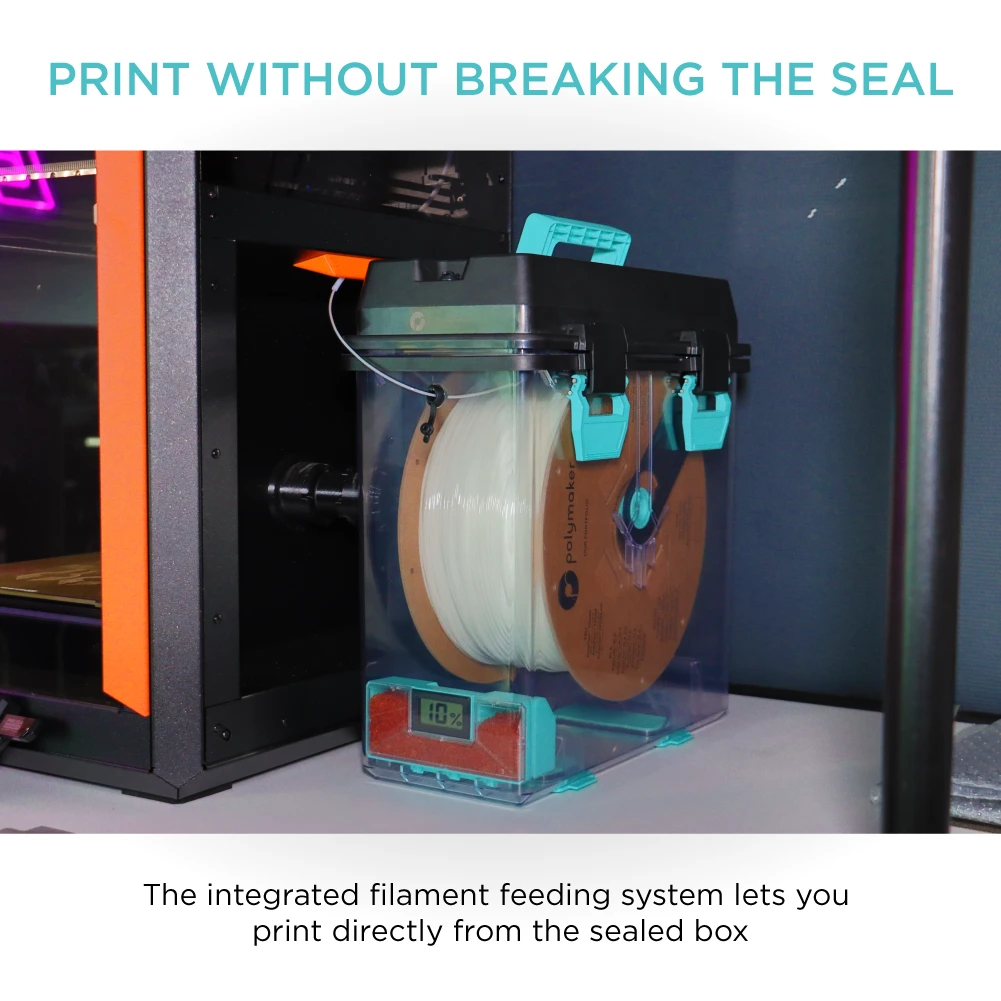
For printing directly from the box, leave space beside the outlet as well as above the lid. Check where the strand approaches your printer’s intended inlet before choosing a permanent spot on the bench.
The adapter adds a connection, not a drying benchmark
Polymaker describes the XL primarily as a storage product and warns that drying efficiency with the Dry Dock may be lower than with the standard box. There is no basis for assuming the two configurations finish the same material in the same time.
That makes your starting condition important. Keeping a prepared roll protected is one workload; repeatedly preparing a large, moisture-exposed engineering-material spool is another. For the latter, check the exact filament’s preparation requirements against the supported equipment configuration before deciding that dock compatibility settles the purchase.
A larger container, a material preset or a low humidity reading cannot by itself establish the condition of the entire winding. Give the process a place in your print schedule rather than promising yourself a short turnaround that has not been demonstrated.
Buying the adapter or printing it
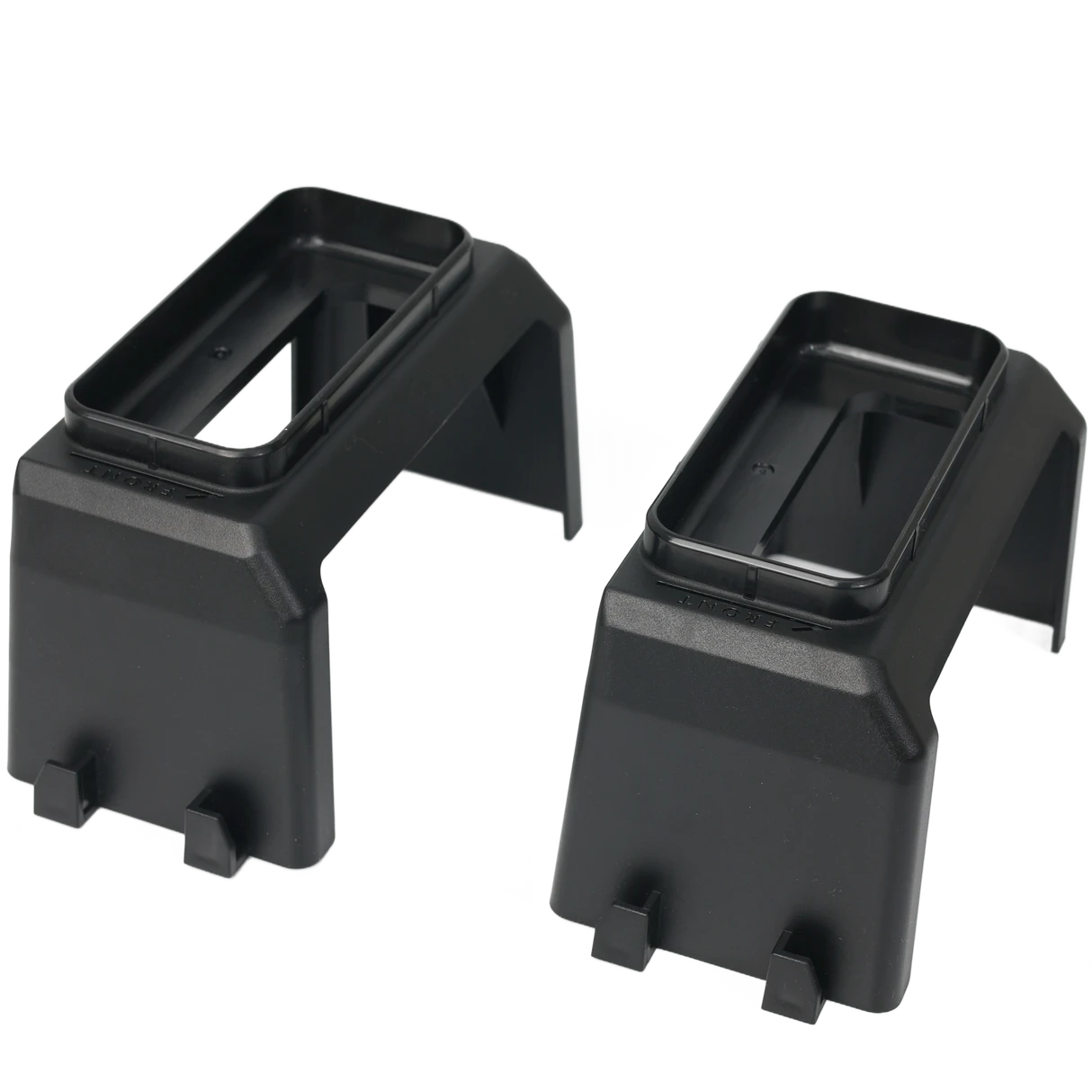
The official listing links a printable XL adapter and recommends ABS/ASA or a similarly heat-resistant material. Use the current model instructions for fabrication and assembly; an available spool of PLA is not a reason to substitute it.
For the buying decision, count the finished usable part. A printable option still needs suitable material, a successful print and a check of the result. Someone without that setup may find the supplied accessory simpler. Someone already equipped to make it can compare those costs without pretending the print is automatically free.
Do not enlarge holes, change mating surfaces or improvise a heated connection to rescue an incompatible order. Resolve the component mismatch with the supplier while the parts can still be exchanged.
Make the basket readable without the product photo
Imagine receiving separate plain boxes. Could you identify which item provides storage, which makes the XL connection and which supplies the drying function? That is the final check worth doing before payment.
Save the variant names and included accessories with your order. For a broader comparison, use the complete-system buying checklist to account for parts, delivery and any equipment you already own. The lowest box price is only useful when it buys the configuration you meant to build.
Our standard: Clear sources, practical limits, and no invented test results. Read our editorial policy.
PrintTuned Editorial
Source-based guides to filament drying, storage and spool fit, with clear measurements, documented assumptions and practical limits.