Which Filament Dryer Can Take Your 3 kg Spool?
Compare three documented large-spool dryer configurations, required accessories and size limits before choosing equipment for your exact 3 kg reel.
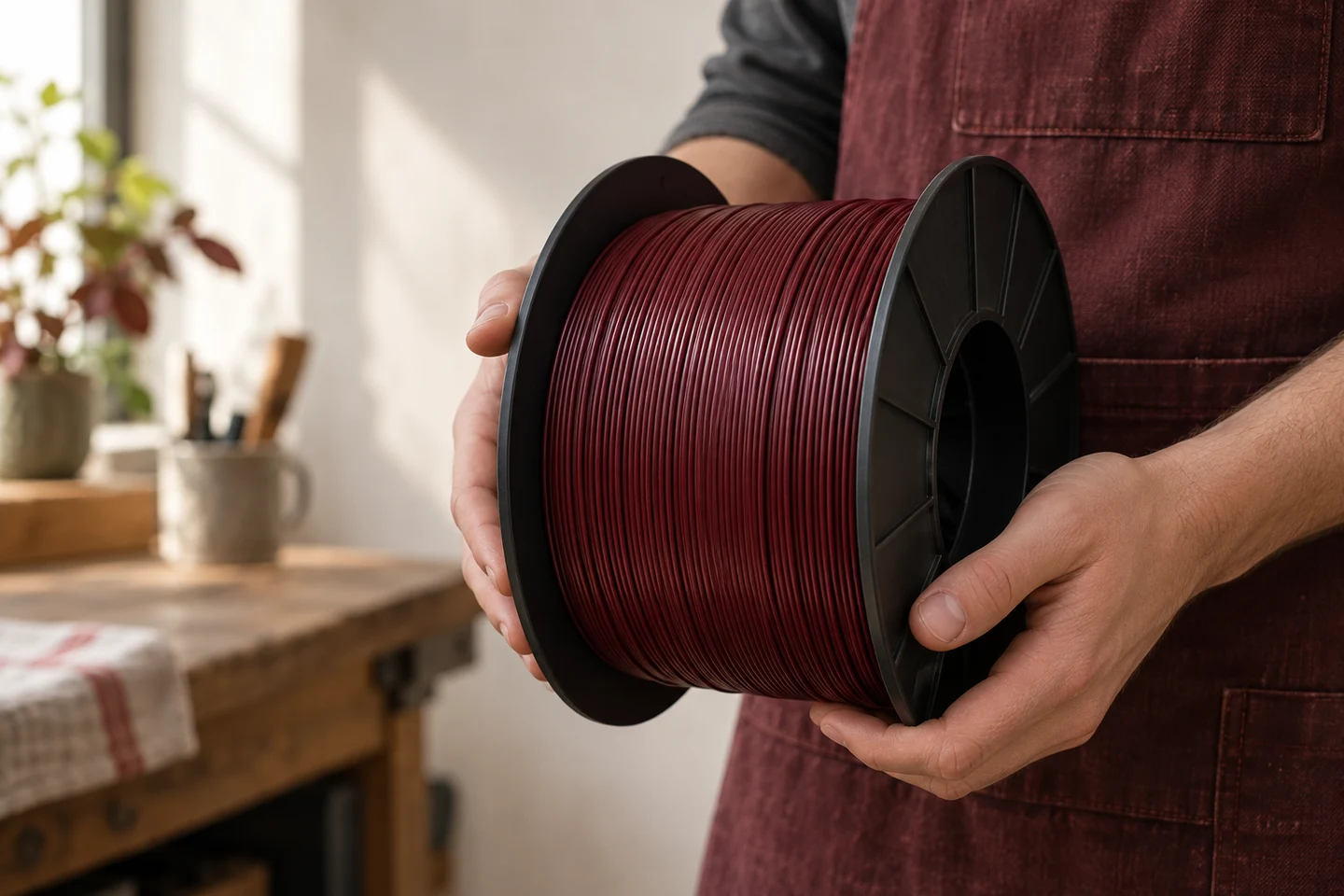
A 3 kg filament dryer search can lead to three very different purchases: a large storage box that accepts a drying dock, a dryer with an expansion part, or a powered system with a large-spool kit. Compare the complete configuration and your reel’s dimensions before comparing capacity claims.
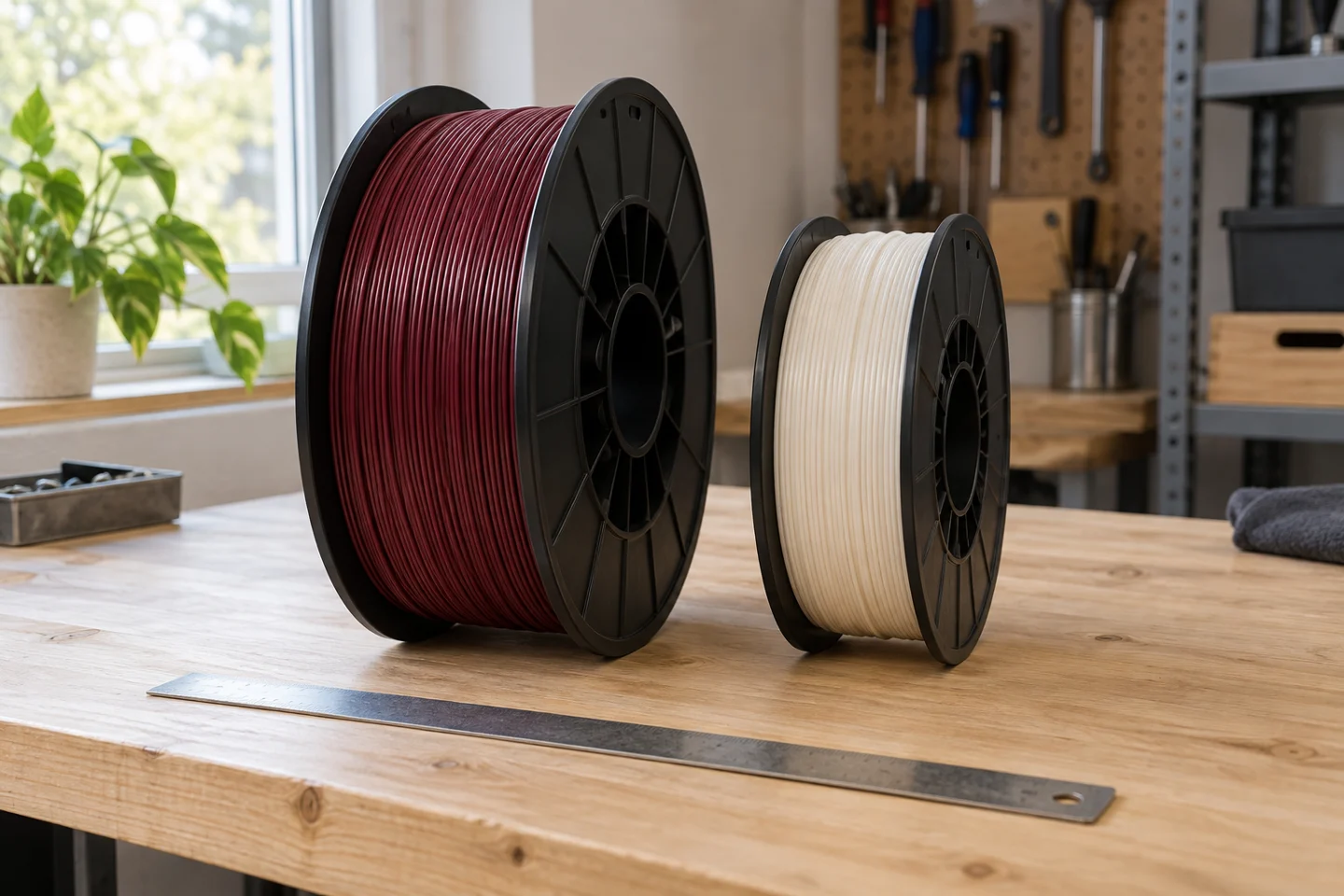
Three documented routes are worth investigating below. They are a shortlist based on manufacturer information, not a ranking of measured drying speed, noise or efficiency.
Three configurations to investigate
| Configuration | Documented size information | Purchase check |
|---|---|---|
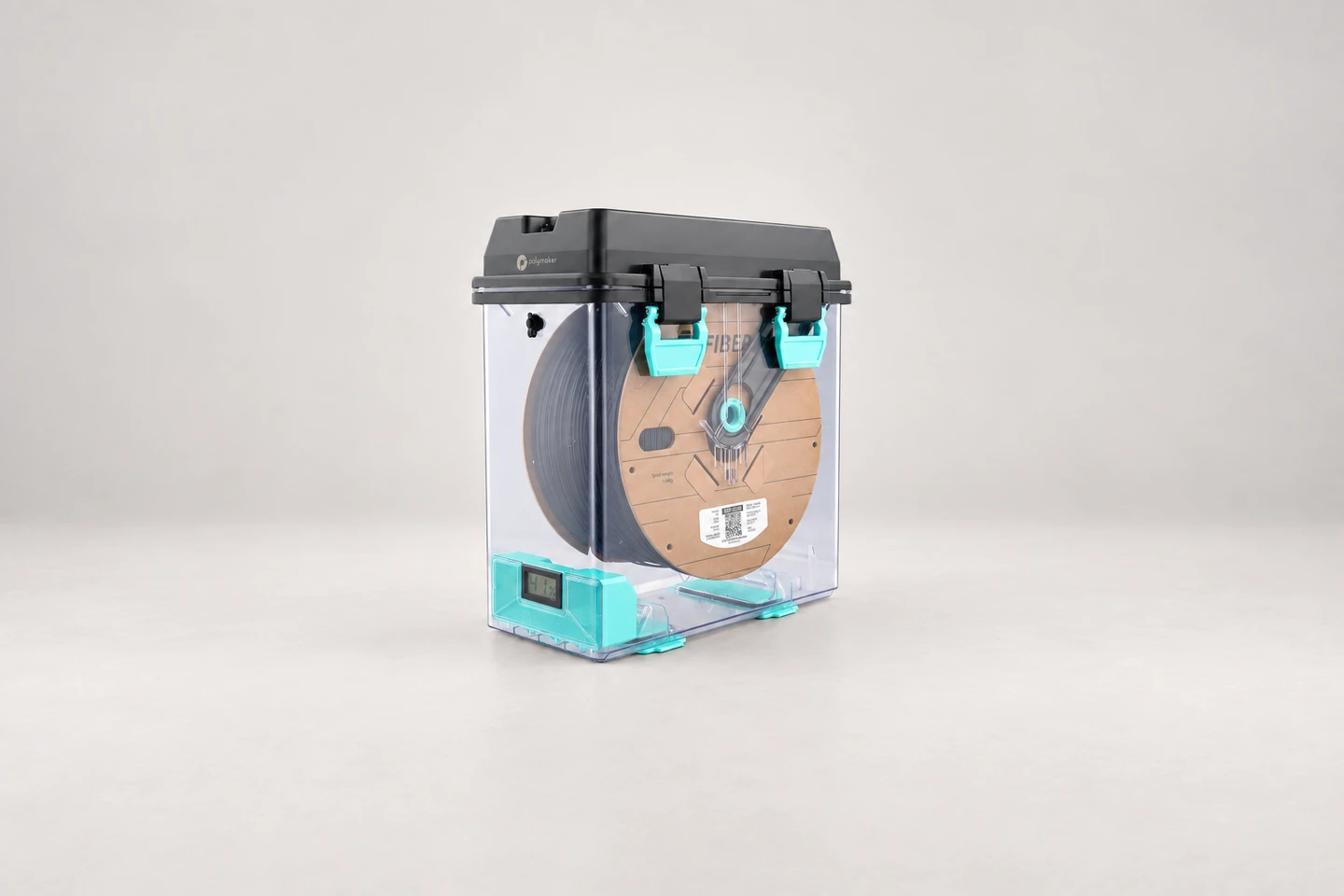
| PolyDryer Box XL + XL Dock Adapter + Dry Dock | Spool up to Ø300 × 118 mm | Storage box, adapter and powered dock are distinct components. |
| EIBOS Polyphemus + 3KG Extension | Extension listing increases supported diameter from 210 to 250 mm; width is not specified in that listing. | Confirm the extension, usable width and support arrangement for your reel. |
| PrintDry PRO3 + Large Spool Kit | PRO3 manual: up to 304 mm OD with the kit; spool “height” 25–150 mm and mounting hole 19–58 mm in its specification table. | Match the manual and kit to the actual dryer version; ask about a close-fit reel. |
Sources: Polymaker Box XL, EIBOS Polyphemus accessories, and the PrintDry PRO3 manual, pages 3 and 14. “Height” in the PRO3 spool table is retained as the manufacturer’s label; confirm its relationship to your reel’s axial width when checking an unusual shape.
Box XL: a storage-led route with optional drying
This is a logical configuration to investigate when large-roll storage matters and a Dry Dock is already available. Polymaker cautions that XL drying efficiency may be lower than with its standard box. Budget for the whole combination and check the material’s drying needs, rather than choosing it from internal volume alone.
For someone buying from scratch, the more useful comparison is with another complete powered arrangement. Comparing the XL box-only price with a full dryer creates an apparent saving that disappears as the missing components are added.
Polyphemus: the extension does not fit every large reel
The manufacturer’s extension description gives a concrete diameter change. That makes it useful for screening: a hypothetical 280 mm reel would still exceed 250 mm, regardless of how little filament remained on it.
A smaller-diameter but wider reel raises a different question. Ask for the supported overall width with the extension installed and the intended supports in place. Missing width information is an unresolved check, not evidence that any width will fit.
PrintDry: match the large-spool kit to the generation
The PRO3 manual separates the large-spool configuration from the additional-chamber configuration. They solve different space problems. Extra room for more smaller rolls is not interchangeable with accommodation for one larger reel.
The current PrintDry shop lists the Large Spool Kit for PRO, PRO3 and PRO4. The numerical limits above come specifically from the PRO3 manual. For a new PRO4 purchase, confirm the current PRO4 specification with the seller instead of silently transferring every older limit to the newer machine.
A dimensional screen can remove the wrong option quickly
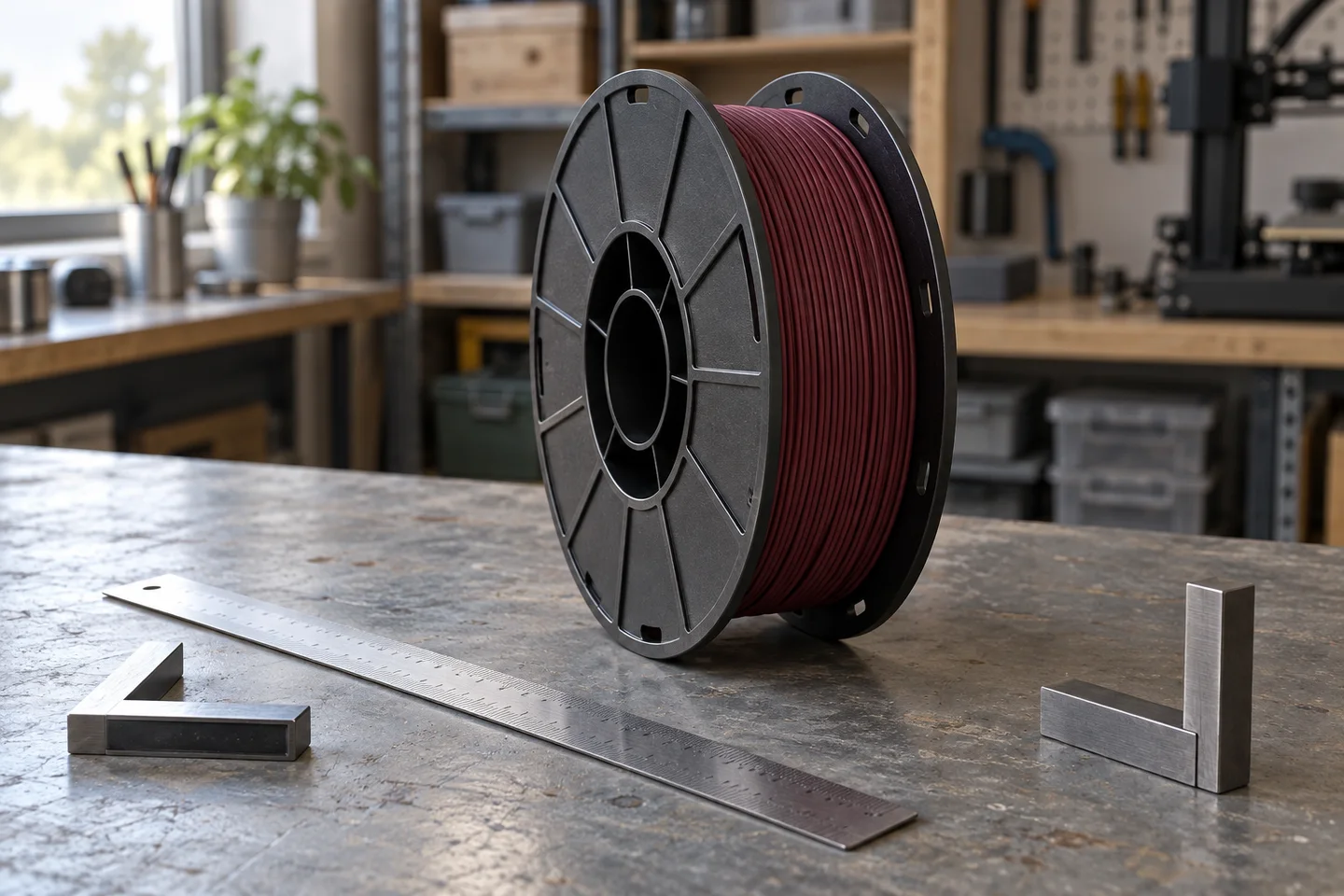
Measure the reel before you build a shortlist. Record outside diameter, overall width and any hub or rim attachment; shaft-supported systems also need the mounting-hole check. Use the spool measuring procedure when the reel’s spec sheet is incomplete.
Consider two illustrative rolls against the Box XL’s published envelope:
- Roll A, 280 × 110 mm: both dimensions are below the limits. The total differences are 20 mm across the diameter and 8 mm across the width. These are dimensional differences, not measured operating clearances inside an assembled box.
- Roll B, 290 × 125 mm: the diameter passes that screen, but width exceeds the limit by 7 mm. A “3 kg” label cannot change the result.
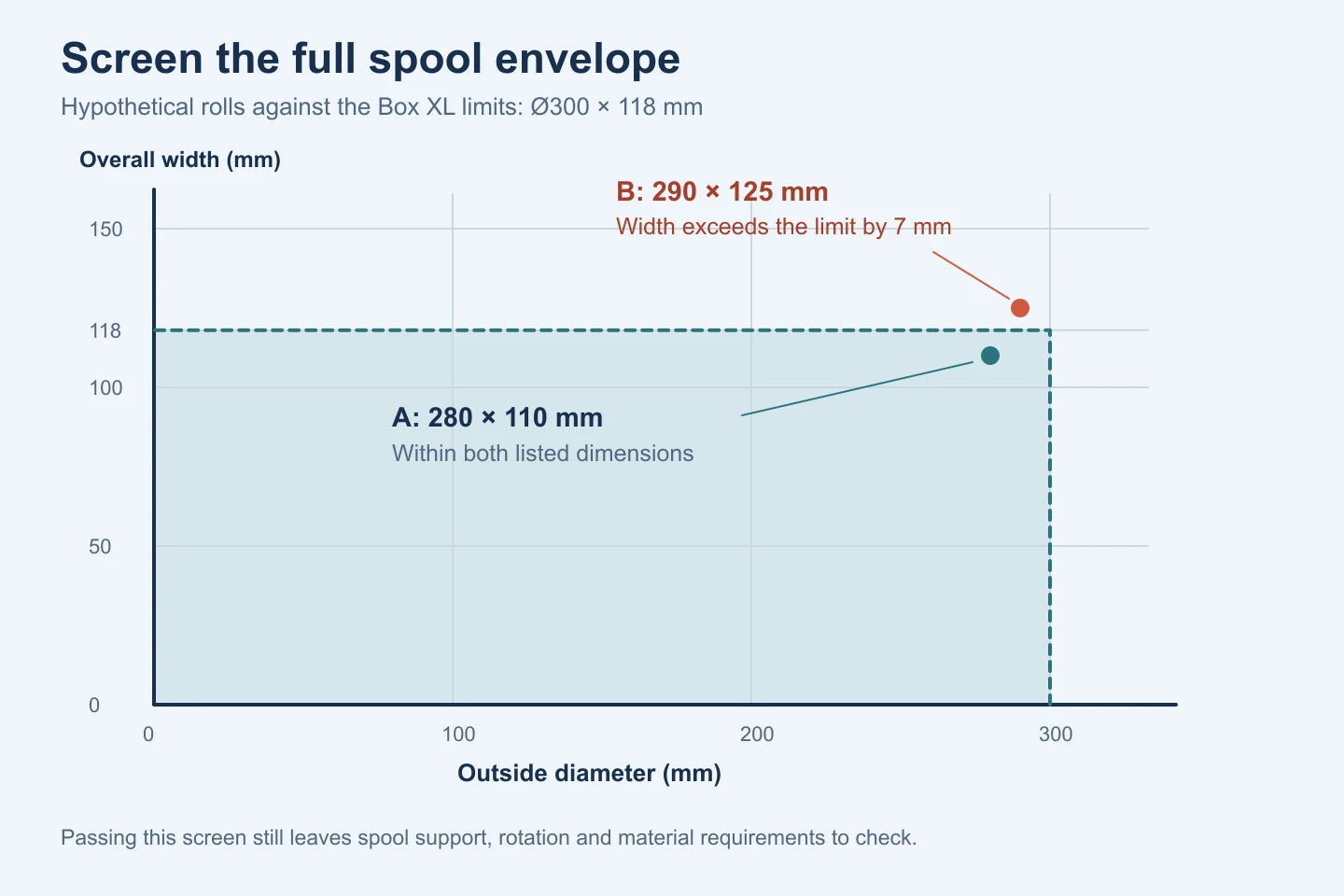
The dimension checker can repeat this arithmetic for limits you enter. Do not invent a width value just to complete the calculation. Leave the candidate unresolved until the manufacturer answers.
Then compare what happens during the job
Once a reel passes the size screen, the workload becomes the deciding factor. Start with the exact material’s preparation instructions: required temperature, duration and any spool limitations. A device that accommodates the roll but cannot support that process has not solved the problem.
Separate drying before a print from feeding during a print. A reel may sit in a chamber successfully yet pull poorly through an outlet facing the wrong direction. Include the route to the printer, the clearance needed to open the lid and the space required by the dryer’s instructions.
A shared machine also needs a workable queue. Two printers do not necessarily need two dryers, but both waiting for the same preparation slot is a real constraint. Map your next jobs and available drying capacity before spending on extra boxes or extra heated positions.
Compare complete costs, then settle the unanswered fit question
Put equivalent configurations beside one another: dryer or dock, required expansion part, supports or adapters, power supply, and a place to store the prepared reel. Include delivery to your region. Keep optional accessories separate so they do not obscure the essentials.
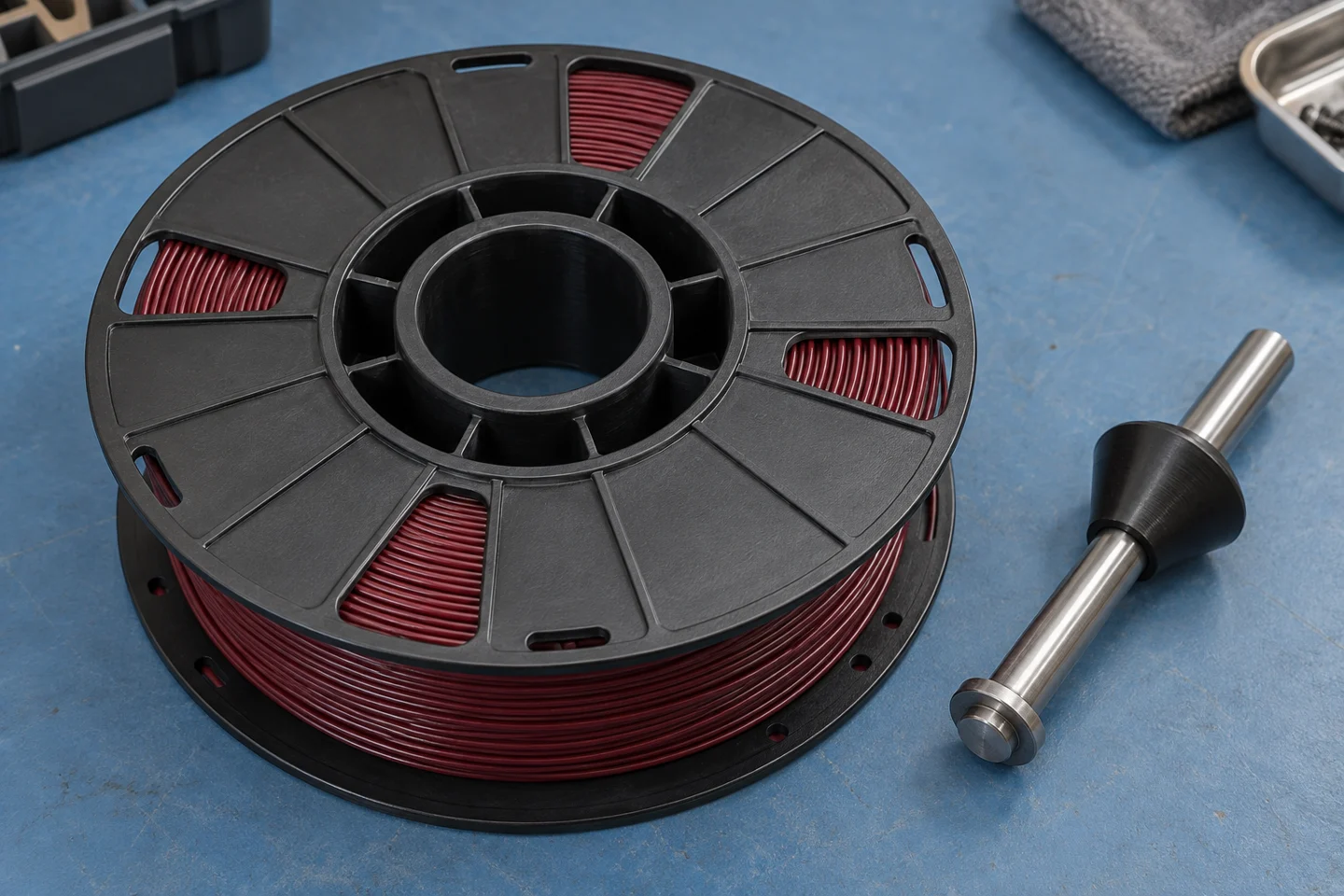
For each surviving option, there should be one specific fit record: your spool model, its measurements, the proposed hardware version and the remaining question. A useful seller message would be: “My reel is 285 mm OD, 130 mm overall width, with a 52 mm centre hole. Which kit and supports are required for this dryer version?” Those example measurements are a question, not a recommendation for any configuration above.
The right purchase is the configuration that accommodates the actual reel and supports your preparation workflow. Leave an attractive candidate off the final order while its decisive dimension or required component remains unknown.
Our standard: Clear sources, practical limits, and no invented test results. Read our editorial policy.
PrintTuned Editorial
Source-based guides to filament drying, storage and spool fit, with clear measurements, documented assumptions and practical limits.